Strategy
Video Ad Creative Variants: One Concept, Many Versions
Video ad creative variants adapt one approved concept by location, season, audience, offer or screen. What changes, what stays fixed, and how each is approved.
Video ad creative variants are versions of one approved video ad, each adapted for a specific location, season, audience, offer, format or screen. The idea, the look and the brand stay fixed. The details that make it local, seasonal or specific to an offer are the ones that change. They matter because a brand with many locations or many audiences rarely needs one ad. It needs the same ad, told right for each place and each screen, without the brand drifting from one version to the next.
This post covers what changes, how every version gets approved, and when one strong spot is the better call.
What changes and what stays fixed
Before anything is made, decide which parts of the ad are allowed to move. Everything else is locked. These are the parts that usually move:
- Location: the setting, the storefront and the local details that tell a viewer this is their store.
- Season: the light, the weather, the wardrobe and the props that say summer or the holidays.
- Audience: who is on screen and the line that speaks to them.
- Offer: the promotion, the product line or the menu item the spot leads with.
- Format and screen: the aspect ratio, the length and the framing.
What stays fixed is the concept, the story beats, the logo, the type, the color, the voice and the tone. On our projects, the brand side of that lives in a locked style guide we build during onboarding, so every deliverable matches your typography, color, voice and tone.
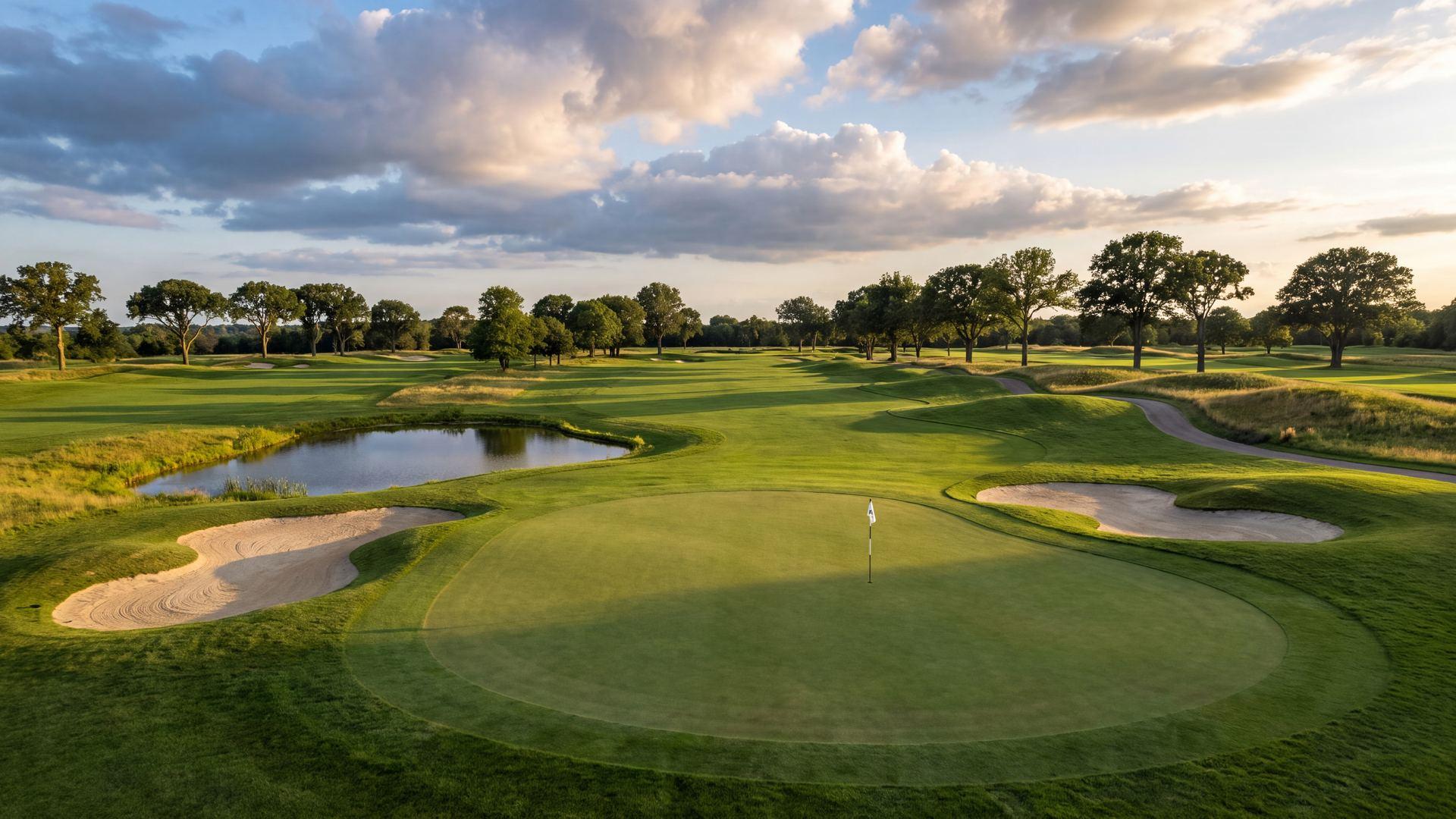
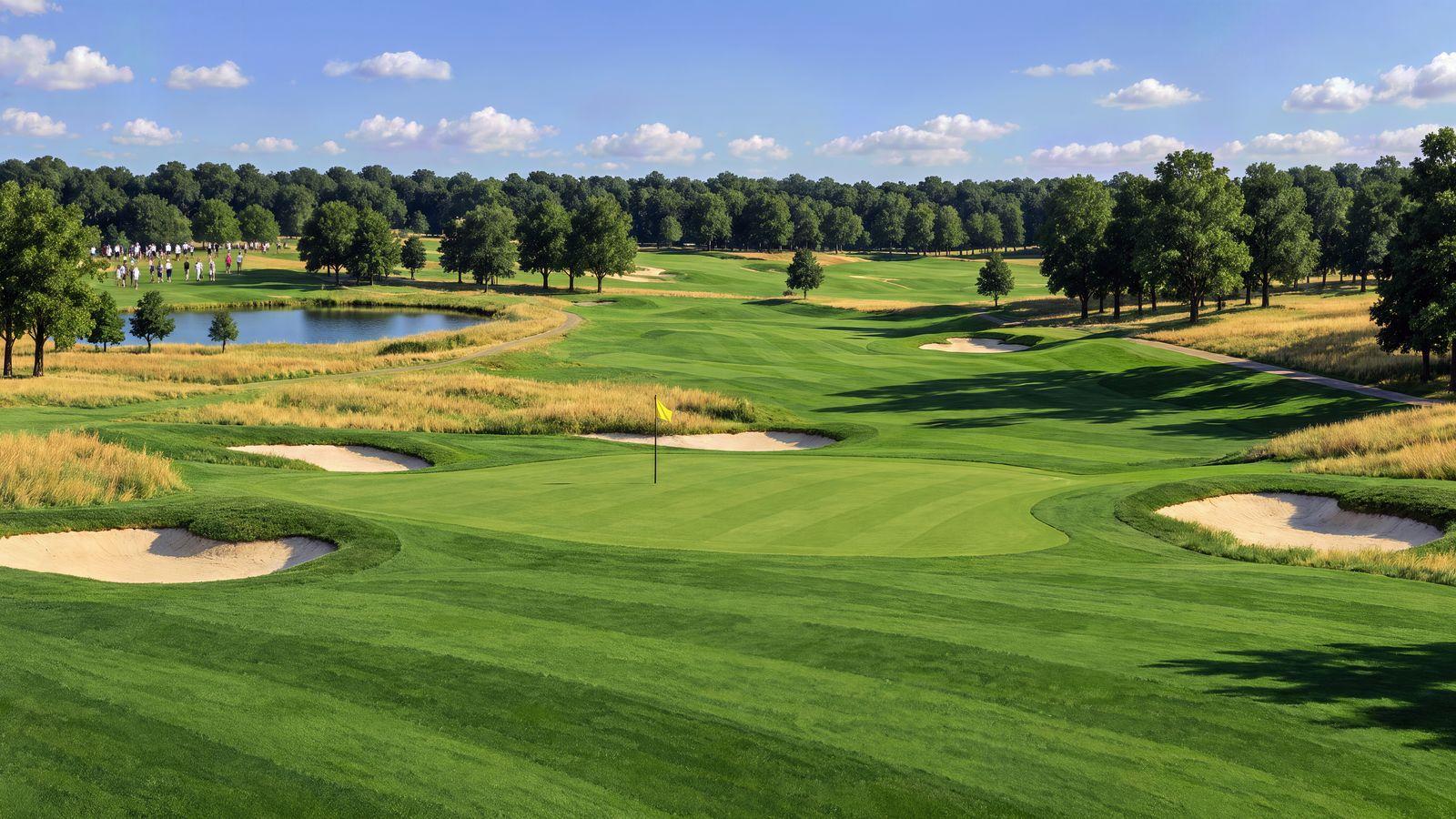
Season and light are often the clearest change. For a looping golf course background we made for a studio client, the brief was developed in two looks: a golden-hour version, shown at the top of this post, and a bright midday version with players in the distance.
A family of brands shows why this matters. Team Farrell is the parent brand of a family of home-service companies around Tampa Bay. It asked us for a spot for each of its trades, including Suncoast Evergreen for Farrell Plumbing. Those are separate spots, not variants of one ad, but they hold to the same rule a variant system needs: the right logo and the right phone number for each company.
How a concept is built to vary
Variants are planned in pre-production. They are not bolted on after the first spot is done. A concept that adapts well has a clear spine: the same beats, the same hero product, the same ending.
Our storyboards start with production specs: runtime, frame rate, format and color, settled before anything is built. Then comes a visual register that locks light, grain and palette to your look, and model sheets of your product and people, built from your photos. Those pages lock the look before production starts.
Production follows our Human + AI + Human method. People set the direction. Our AI artists generate the shots and work with our editors as the edit comes together. People decide what makes the final cut. A project can be AI-generated, live action, or both. Either way, the full creative is locked with you in pre-production.
Formats and screens
A variant is not always a new place or a new offer. Often it is the same ad for a different screen. A 16:9 spot for broadcast and a 9:16 cut for phones are two different jobs, even when the story is the same.
Our spec spot for Kinetik, our own sports drink brand, shows the difference. The :15 was made at 16:9, then rebuilt for the phone rather than cropped: kinetic word hits over liquid and light in a 9:16 frame. Cropping a wide spot to vertical can cut the product or the type out of the frame. Rebuilding it means the framing is planned for the screen it will play on.
Some screens are not a TV or a phone at all. Heritage to Now and Every Diamond Has a Story were made for a wraparound LED room, so every shot was composed for a wall eight times wider than it is tall.
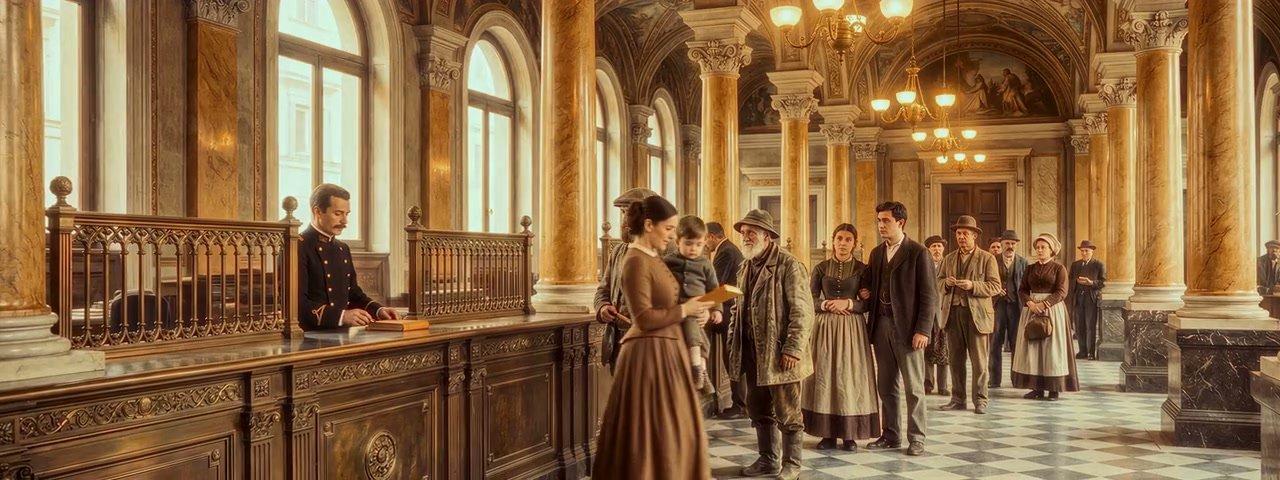
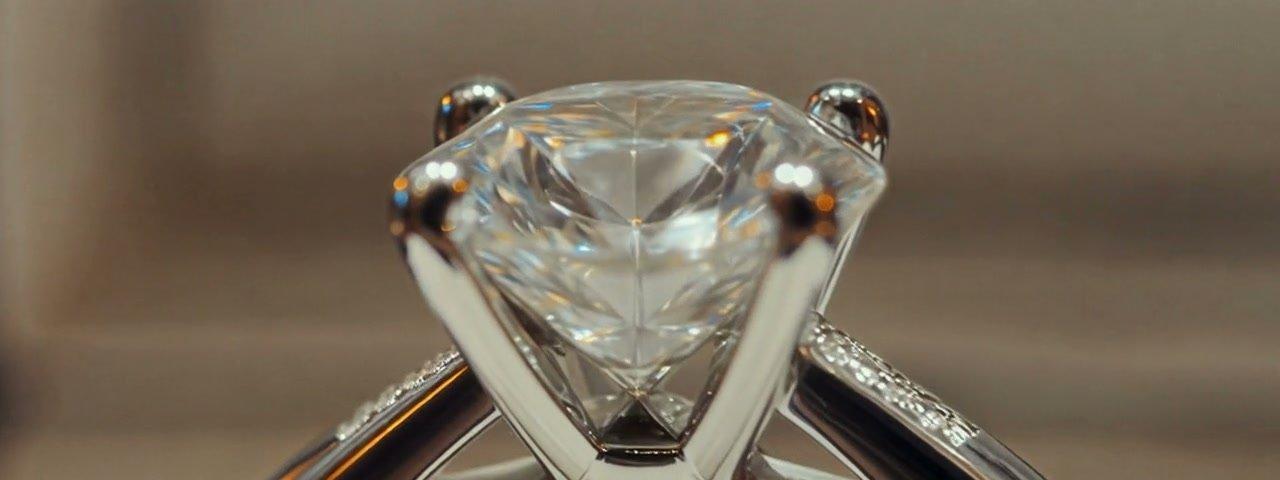
We master every version for its screen. Each one is checked and delivered ready for broadcast, CTV, social, cinema or the LED wall.
How review works so every version is approved
Approval starts with the concept and carries through to every cut.
- The concept. The logline, storyboard and script come to you for approval before production starts.
- Every cut. You approve every step and every cut.
- Every frame. Our editors finish every frame. Shots with visible artifacts go back for another pass. If a version does not meet broadcast quality, it does not go out.
Approval covers the people on screen too. For Visiting Angels of Colorado Springs, the client chose the cast from character sheets we made. The same cast carries through their hero video, When You Can't Be There, and their pricing video, The Honest Number, so the two play as one campaign.
When you review variants, check the details that change from one version to the next: the right logo, the right phone number, the right offer for that market.
When video ad creative variants make sense, and when one spot is better
Variants make sense when:
- You run more than one location, region or market, and each one needs to feel local.
- You run seasonal campaigns or limited-time offers on a steady calendar.
- You already run video ads and want to test different openings, offers or audiences.
- Your ads play on several screens, from broadcast to phones.
That describes many multi-location and consumer brands: service brands such as restaurants, franchise systems, and banks and credit unions, and product brands such as beverage and apparel lines with seasonal drops.
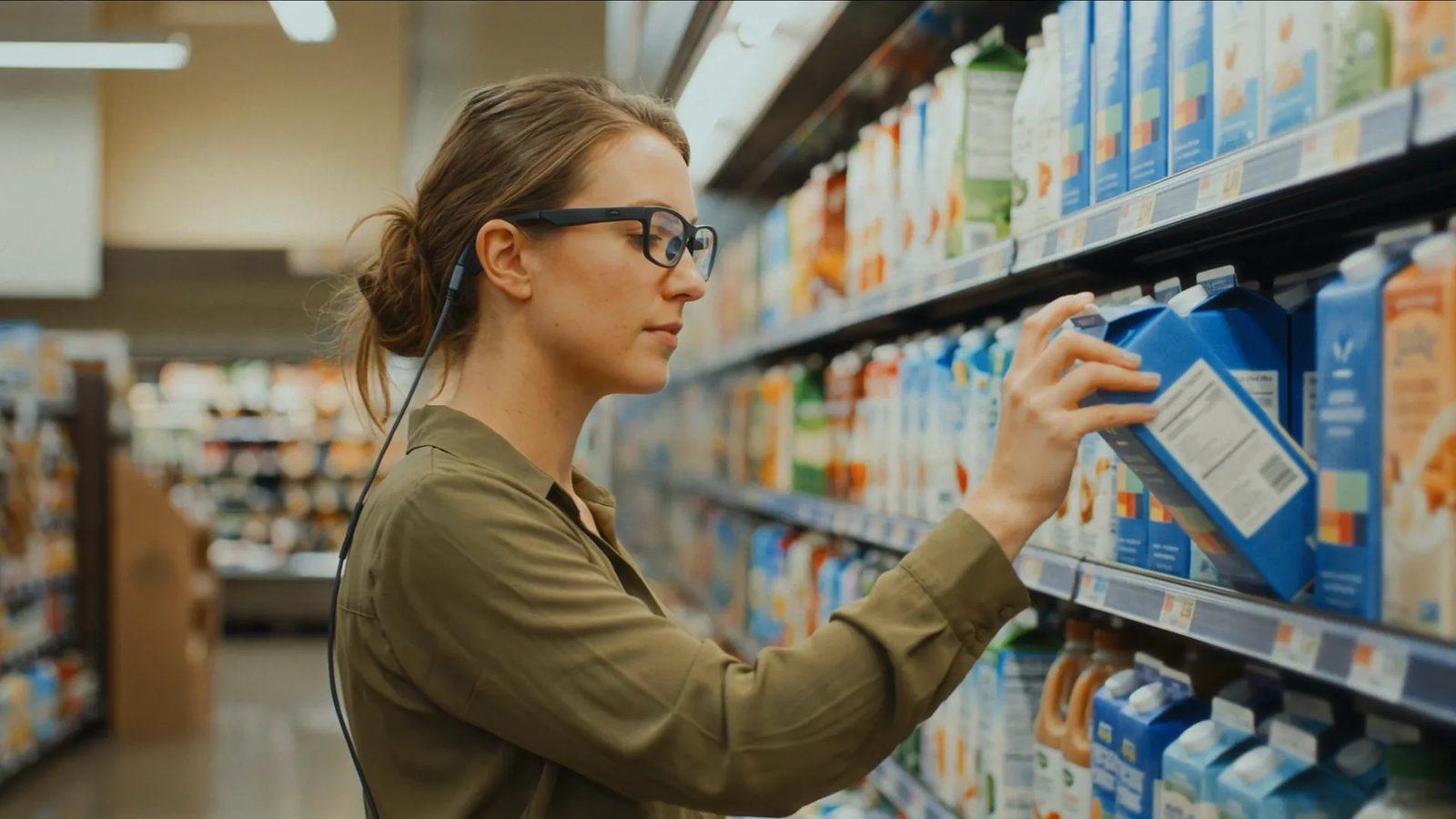
One strong spot is better when you have one location, one offer and one audience, or when the idea itself is still unproven. Variants adapt a concept. They do not fix one that is not working. If you are not sure the idea lands, prove it with a single spot, then adapt it.
How to start
Start with the concept. Pick the one idea you would run everywhere if you could. Then list the places, seasons, audiences, offers and screens it has to reach. That list is your variant plan.
Our Free Concept Storyboard is built for this step. Send us your brief and we produce a shot-by-shot storyboard of a concept we would make for your brand, paired with finished examples from your category. It can include variant frames that show how one concept becomes multiple versions for different markets. The form does not ask for a credit card, and the storyboard is yours to keep.
If you would rather talk it through first, book a 15-minute discovery call. Every engagement is scoped and quoted to your request. The number of locations and variants differs from project to project. Most start with a scoped first project, and ongoing production is sized to your volume.
Corey HoltgardFounder & Creative Director, Fusion Media AI