
What a Film Student’s Question Taught Me About the Future of AI in Filmmaking
By Corey Holtgard | CEO & Chief Architect, The Fusion Core | Fusion Media AI
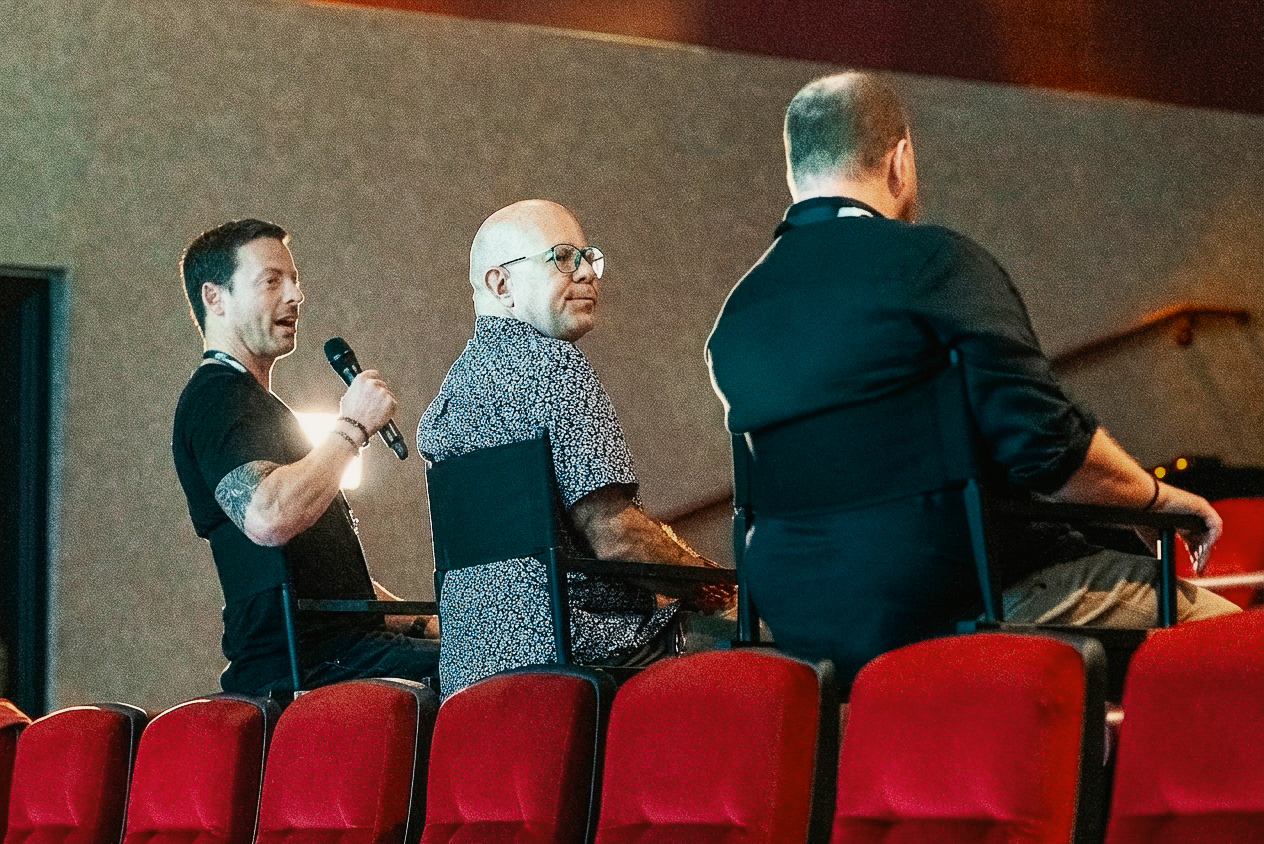
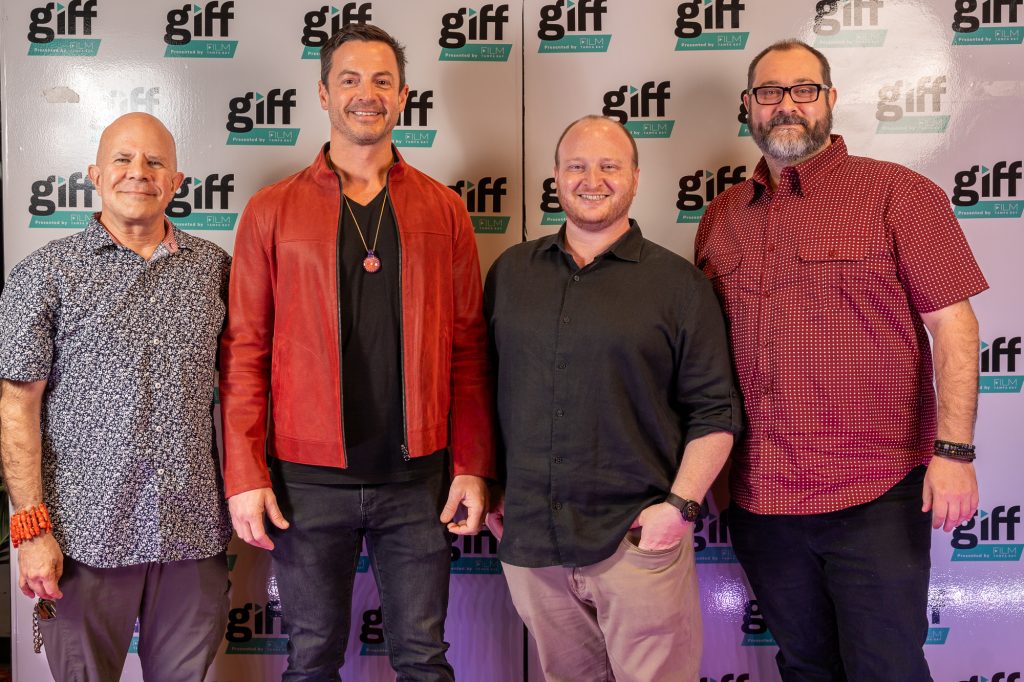
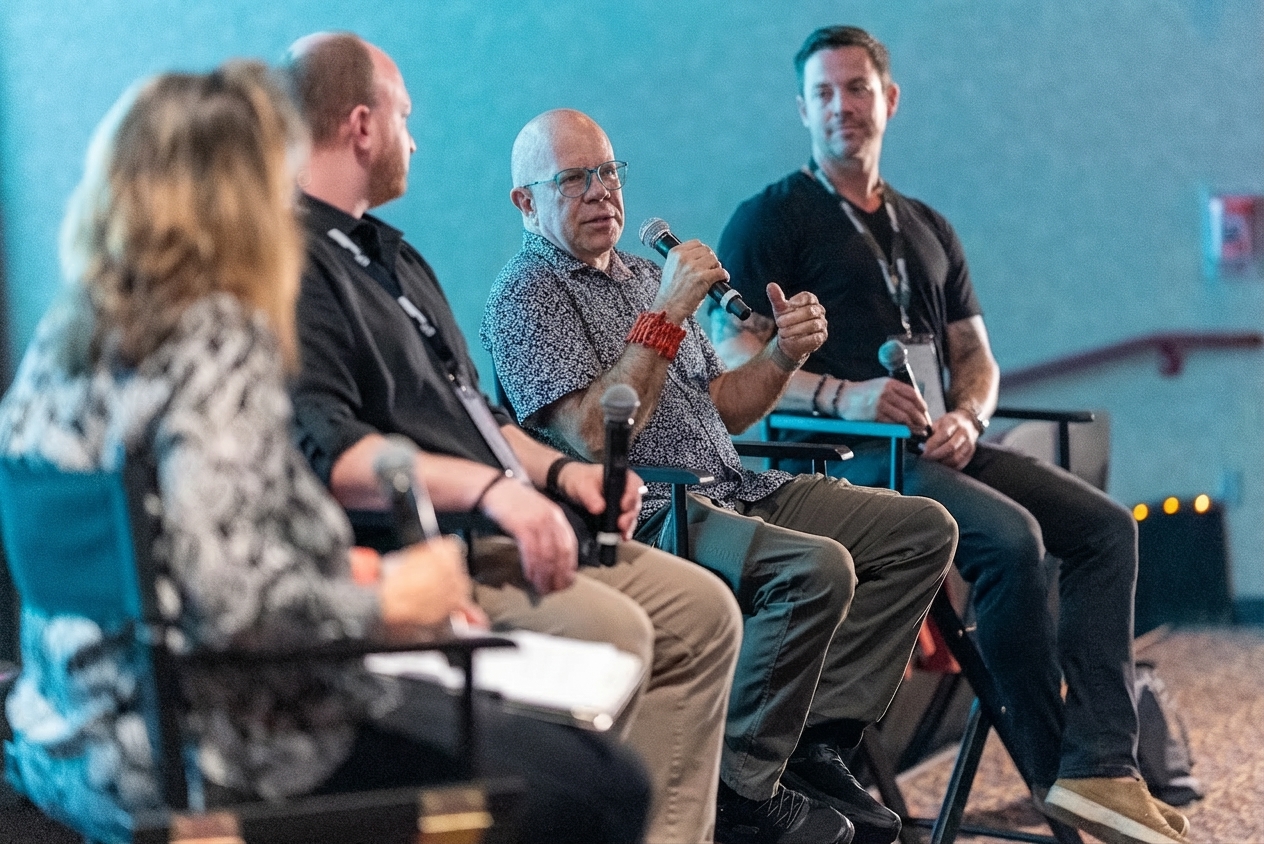
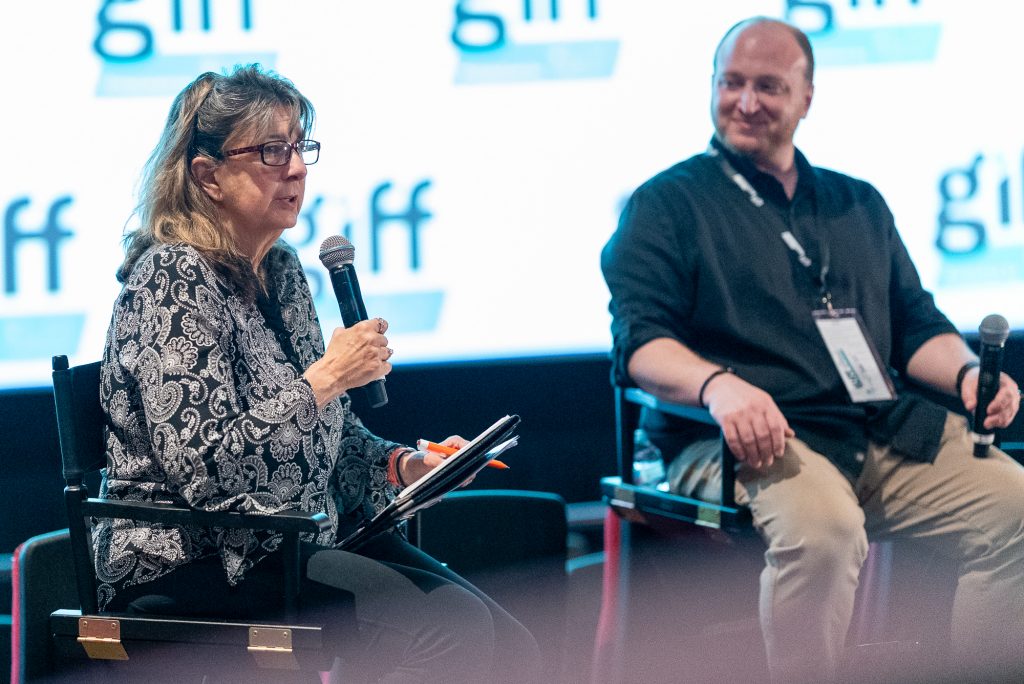
On March 8th, I had the privilege of joining the “Perspectives on AI” panel at the 2026 Gasparilla International Film Festival (GIFF) in Tampa – my home turf. Alongside Steve Stein from Comcast and Professor Santiago Echeverry from the University of Tampa’s FMX program, and moderated by Julie Chalhoub, we spent 50 minutes unpacking one of the most important conversations happening in media right now.
We were scheduled for 50 minutes. We went over. And when we finally had to wrap because the next panel was waiting, people were still lined up to ask questions.
That tells you something.
Two Layers of the Same Technology
Before we got into the philosophical debate of “should we or shouldn’t we,” I wanted to ground the room in how the technology actually works. Because most of the fear around AI stems from not understanding what it is.
At its simplest, Machine Learning is the broad outer layer — the umbrella discipline that has quietly powered recommendation engines, predictive analytics, and search algorithms for years. Inside that layer lives Generative AI, the technology that creates new content: images, video, voice, text, from learned patterns. They are not separate tools. One lives inside the other.
That distinction matters, because when people say they are “afraid of AI,” they are often reacting to the generative outputs without understanding the machine learning infrastructure underneath. And when you do not understand the infrastructure, you cannot evaluate the opportunity.
The Camera Analogy
Here is how I framed it for the room.
When the RED camera entered the market, it did not arrive as a complete replacement for 35mm film overnight. It arrived as a new tool. Slowly, steadily, digital acquisition took market share from traditional film cameras. Some cinematographers embraced it immediately. Others resisted for years. A few still shoot on celluloid today, and their work is no less valid.
Generative AI is following the same pattern. It is a new type of camera. It captures and creates visual content differently than anything before it. And just like RED did not eliminate the need for skilled directors and DPs, generative AI does not eliminate the need for experienced storytellers and craftspeople.
It changes the workflow. It does not replace the talent.
Where We Are Already Seeing This Work
I shared a real-world example from our production pipeline at Fusion Media AI. We have been working with enterprise clients who previously had to pull frontline workers off actual job sites, scheduling time away from revenue-generating work, just to film internal training videos and commercials. The production logistics alone were a bottleneck: coordinating crews, branded uniforms, permits, weather windows, and equipment.
Now, using our Human + AI + Human production model, we generate those same training assets and brand commercials with digital avatars dressed in the client’s actual branded uniforms, placed on realistic jobsite environments, without ever pulling a single worker off the floor. The humans script and direct. The AI generates the visual plates. The humans polish, grade, and deliver at broadcast standards.
The crew’s time stays on the job. The content gets made. The velocity problem gets solved.
The Question That Stuck With Me
The energy in the room was overwhelmingly positive. Curiosity, not hostility. Good questions from a wide age range, working professionals, indie filmmakers, and students. Steve brought an interesting perspective from his work exploring and testing generative AI in media at Comcast. Santiago, as you would expect from someone running a university media program, was deeply invested in making sure students are equipped to use these tools effectively.
But one question landed differently than the rest.
A young film student stood up and asked: “Should I learn AI as I’m going through film school if I never plan to use it?”
In the moment, I leaned into the camera analogy. I told him he should at least understand the technology, how it works, what it does, and where it is heading. I also encouraged him to look at the areas of production that will not be displaced by AI: documentary, docu-reality, and certain types of narrative filmmaking where the human element is irreplaceable.
It was an honest answer. But after I walked off that stage, I realized it was not the complete answer.
What I Wish I Had Said
What I should have told that student is simpler and more important than any technology advice: Be really damn good at your craft.
Not good at five things. Good at one.
The professionals I have worked with over the past 25 years, across 900-plus television series, on shoots spanning six continents, the ones who have survived every technological shift, every industry disruption, every platform migration? They were not generalists scrambling to learn every new tool the moment it dropped.
They were masters of a single discipline. And they were professionals. Not just in their technical ability, but in how they carried themselves on set. They showed up prepared. They communicated clearly. They worked well with others. They had the kind of attitude that made directors want to hire them again.
AI is a new camera, yes. But it is not the same as choosing between a RED and an ARRI. It occupies a category entirely its own. Not every DP needs to shoot on every camera system. Many of the best operators I know have spent entire careers loyal to a single platform, not because they could not learn another, but because mastery of one was more valuable than surface-level competence in several.
So if that student is reading this: learn what AI is. Understand what it can do. But do not let the pressure to “learn AI” distract you from becoming exceptional at the thing you actually want to do. The industry will always need people who are undeniably great at their craft.
People Still Paint
This is the part of the conversation that matters most to me, and the reason I said yes to this panel in the first place.
There is a fear-based mentality in this industry. I hear it constantly. “AI is going to take everyone’s jobs.” “The craft is dead.” “Why would anyone hire a crew when a machine can do it?”
I have been in media production since before the internet existed. Before AOL. I watched social media cannibalize the traditional television model I had built my career on. I learned a lesson then that I carry with me now: you either evolve or you dissolve. There is no third option.
But evolution does not mean abandoning what came before. It means understanding what is changing and adapting without losing what makes the work matter.
People still paint. Adobe Illustrator has existed for decades. Photoshop can generate images from text prompts. And yet painters still paint, because painting is an art form, not just an output. The tool did not kill the craft. It never does.
Filmmaking is the same. I will always want to watch a movie with real actors, shot by real cinematographers, directed by someone who spent years learning how to block a scene and earn an emotional reaction from an audience. That is art. That is not going anywhere.
What AI does is open a parallel lane. A lane where enterprise brands can produce training content at the speed their operations demand. Where marketing teams can generate ad variants without booking a six-week production schedule. Where the velocity problem, the one that the traditional model was never built to solve, finally gets addressed.
Both lanes can coexist. Both should.
The Takeaway
If you operate from fear during a technological revolution, you have already lost. But if you assume the technology replaces the need for human craft, you have missed the point entirely.
The future belongs to the people who understand both truths at the same time.
I am grateful to GIFF, to Julie Chalhoub for moderating a sharp conversation, and to Steve and Santiago for bringing perspectives that made the discussion richer. And I am grateful to that film student for asking the question that made me think harder about my own answer.
Tampa, as always, showed up.
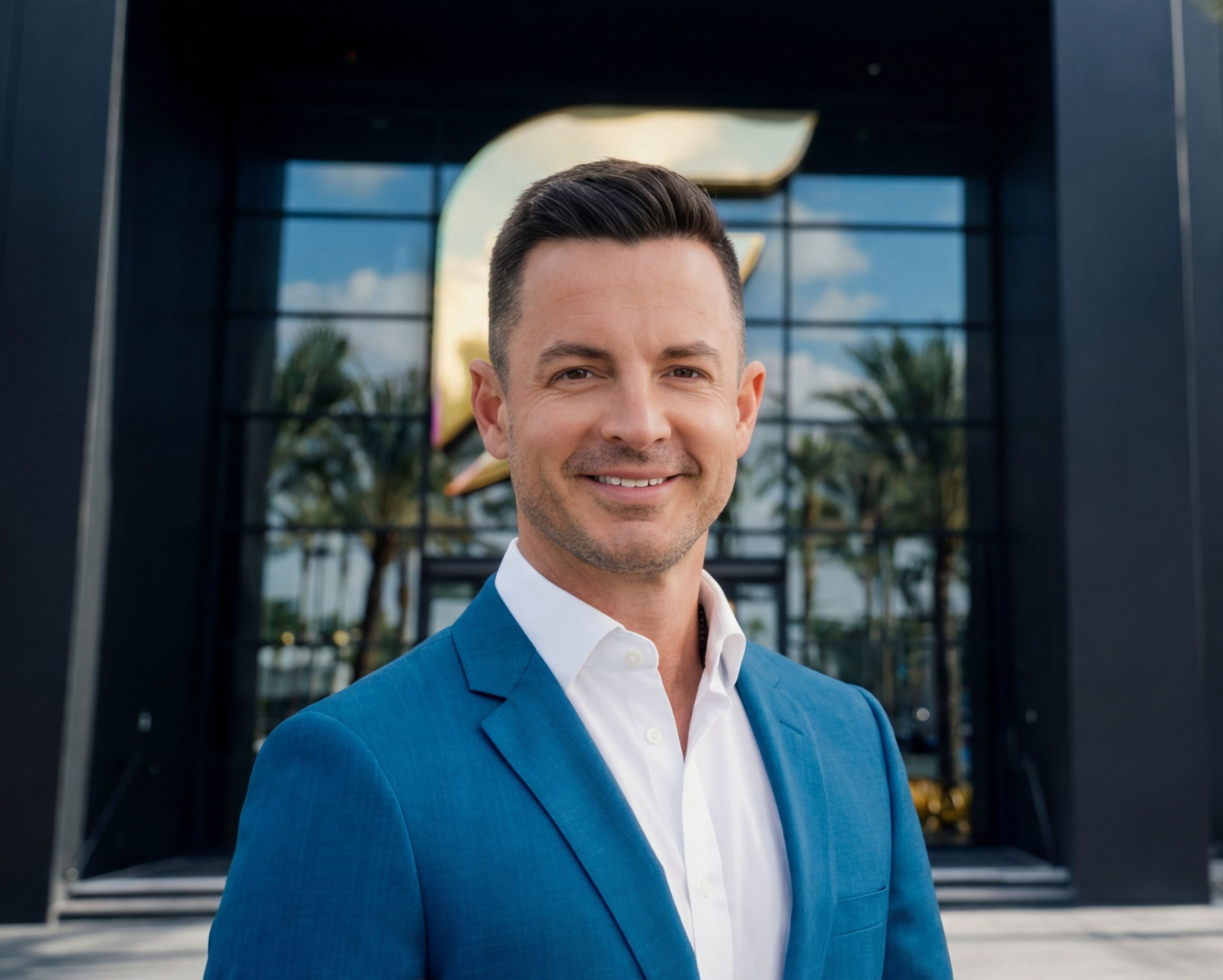
Corey Holtgard is the CEO and Chief Architect of The Fusion Core at Fusion Media AI, a Tech-Enabled Creative-as-a-Service (CaaS) platform delivering cinema quality at digital speed. With over 25 years in broadcast television production and Google GenAI Leadership Certification, Corey bridges studio-grade craft with agentic AI infrastructure under FMAI’s Human + AI + Human doctrine.
To learn more about Fusion Media AI, visit fusionmedia.ai or connect with Corey on LinkedIn.
