Reflection
What a Film Student's Question Taught Me About the Future of AI in Filmmaking
A panel at the Gasparilla International Film Festival, a film student in the third row, and the question that reframed how I think about AI in filmmaking, and why film school matters more in the AI era, not less.
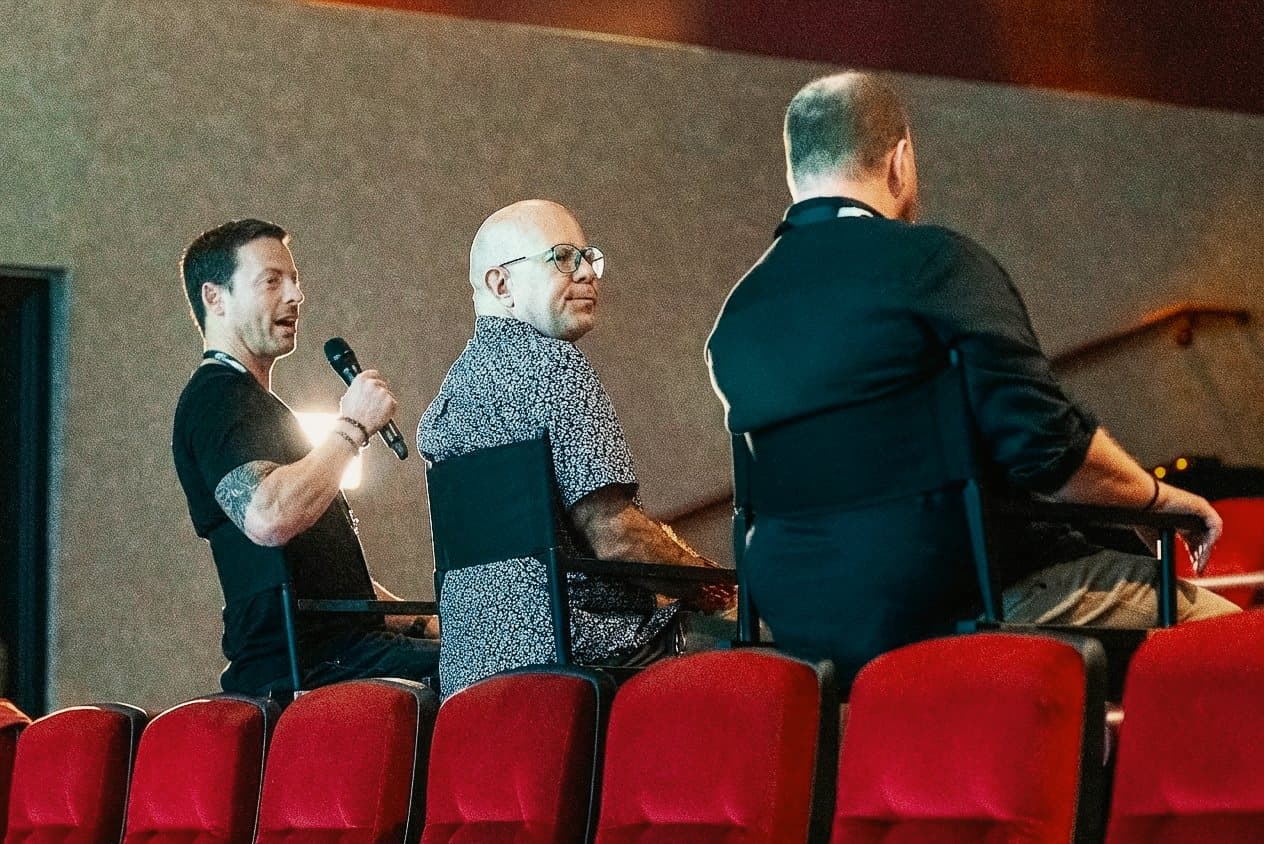
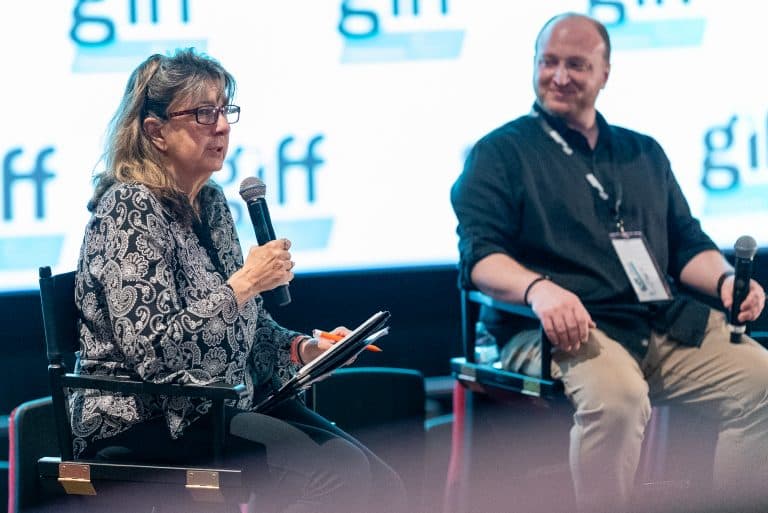
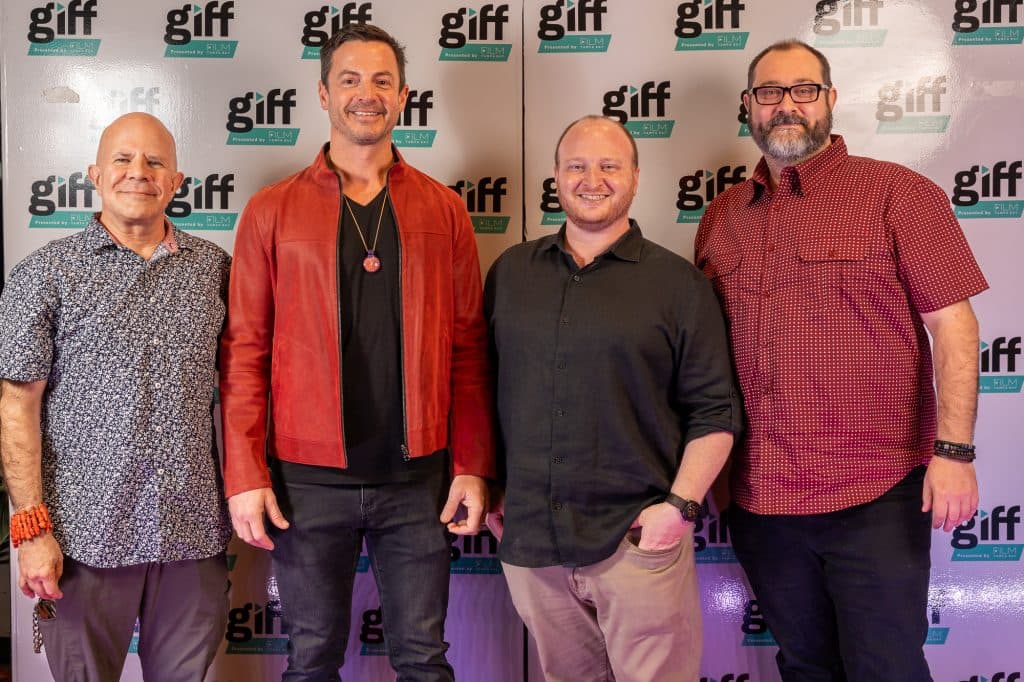
I was on the AI in Filmmaking panel at the Gasparilla International Film Festival earlier this month when a film student raised her hand and asked a question I haven’t stopped thinking about: "If AI can make the movie, why am I in school?"
I gave a short answer in the room. The longer answer is this post, because that question deserves more than a one-liner from a stage, and because every film student in America is asking some version of it right now.
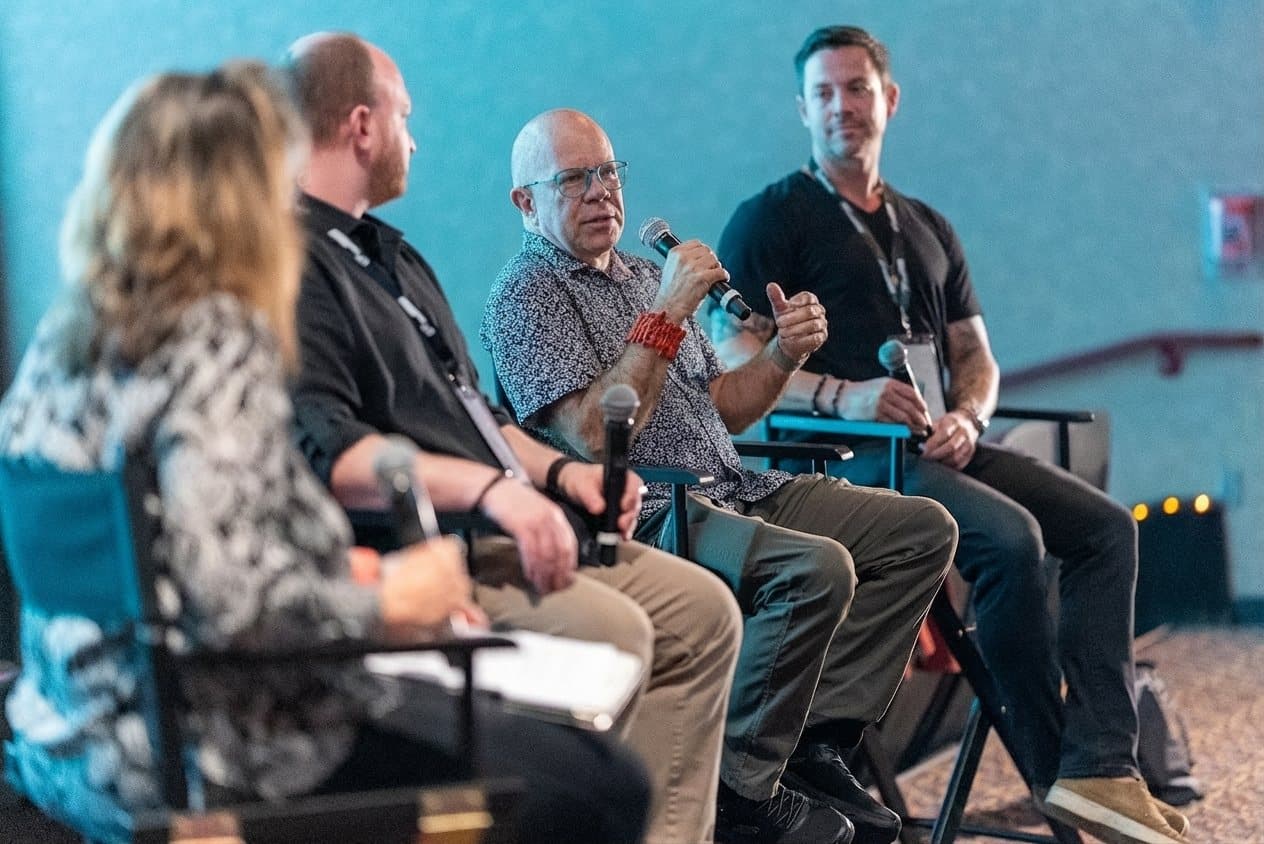
The Short Answer I Gave in the Room
Because film school is not teaching you to operate a camera. It is teaching you to operate a story. AI cannot do that for you. It cannot do that for anyone. The day a model can sit in a room with a director and a writer and an editor and argue about why a scene is not landing, that is the day this conversation changes. We are nowhere close to that day.
That got a few claps and the panel moved on. But I could see the student wasn’t fully satisfied with it, and honestly, neither was I. Because the real answer is more complicated, and more interesting, and more useful to anyone trying to figure out where they fit in this industry over the next ten years.
The Longer Answer: Every Wave Sorts the Industry. This One Is No Different.
Every wave of new production tools threatens to obsolete the previous wave’s skills. It never does. It just raises the floor, sorts the industry, and makes the people who already understand story more valuable than they were before, not less.
I have been in this industry for over twenty years. I have lived through four of these waves now. The pattern is the same every single time:
- 1999–2001: Non-linear editing arrives. Avid stops being a $100,000 priesthood. Final Cut Pro lands on every laptop. The panic: "Now anyone can edit." What actually happened: the floor rose, and elite editors became more indispensable, not less.
- 2008–2010: DSLR video. The Canon 5D Mark II shoots cinema-grade footage for $2,500. The panic: "Cinema is dead." What actually happened: cinema got more popular. Top-tier DPs booked out further than ever.
- 2014–2016: Prosumer drones. The DJI Phantom puts aerial cinematography in a backpack. The panic: "Aerial is free now." What actually happened: aerial cinematography got rarer at the top of the market, not cheaper. The good operators got more expensive.
- 2024–2026: AI video models. Veo, Sora, Kling, Runway, Higgsfield. The panic: "Filmmakers are dead." What is actually happening: the bottom of the market is flooding with slop. The top of the market is pulling further away than I have ever seen.
The student in the third row is going to graduate into the same dynamic that has played out four times in my career. The names of the tools change. The shape of the curve does not.
Why Film School Matters More in the AI Era, Not Less
AI is going to flood the world with mediocre, derivative, cheap-looking video over the next thirty-six months. The students who graduate in 2028 and 2030 with a real understanding of pacing, character, subtext, and visual rhythm are going to be the people the entire industry hires to clean it up, elevate it, and make it actually mean something.
Here is the part nobody on the panic-side of this conversation wants to admit: the bottleneck on great filmmaking has never been the camera. It has always been the eye behind it. Pixar is not Pixar because they have better rendering software. They are Pixar because they have an obsessive culture around story. Same with A24. Same with every company whose name you say with respect.
AI removes the cost of generating frames. It does not remove the cost of knowing which frames matter. That is what film school teaches, when it is taught well. The students who treat school as button-training are in trouble. The students who treat it as story-training are about to enter the most leveraged moment for storytellers in the history of the industry.
I told the student something I genuinely believe: in five years, the most valuable people in this industry are going to be the ones who can hold a story in their head, direct an AI pipeline like a virtual cinematography department, and know when a frame is wrong. That is a craft. It is a learnable craft. It is the exact craft school is supposed to be teaching.
What I Would Tell Any Film Student Reading This
Do not go to school to learn how to push buttons. Buttons change every eighteen months. Go to school to learn how to tell stories. Stories do not change.
Specifically, here is what I would prioritize if I were starting a film degree in 2026:
- Spend more time in screenwriting workshops than in software classes. The story muscle is the only one that compounds.
- Watch films older than you. A lot of them. The grammar of cinema was figured out before any of us were born; you are not going to invent a better cut than the ones already in the canon.
- Learn to direct actors and direct the room. AI cannot do this and will not be able to for a very long time. Human performance is still the asset.
- Pick one AI tool a quarter and get reps in. Not because the tool is sacred (it will be obsolete by next year), but because you are training the muscle of "I can pick up a new tool fast." That muscle is permanent.
- Edit your own work, badly, until it stops being bad. Editing is where directors actually learn how stories breathe.
- Make friends with the other students who are obsessed. Your career is going to be built with them, not with the people you network with at festivals.
The Honest Part Nobody Wants to Say Out Loud
The film industry is going to get smaller before it gets bigger. Studios are going to use AI to cut budgets. Some jobs that exist today will not exist in five years. That is real and pretending otherwise is dishonest.
But "the industry is changing" is not the same as "the industry is over." Every previous wave that was supposed to kill filmmaking ended up producing more filmmakers, more films, more places to put them, and more demand for the people who could tell stories that actually moved an audience.
The students graduating in the next four years are going to inherit an industry that needs them more than it has needed any class in the last twenty years. Because the volume of bad AI video that is about to land on the world is staggering, and the world is going to be desperate for the people who know how to make video that is actually good.
School matters more in the AI era. Not less. The student in the third row asked the right question. The answer is: stay in school, take the storytelling classes seriously, treat the AI tools as collaborators rather than enemies, and graduate ready to be the person the rest of the industry hires to fix what AI alone cannot.
Corey HoltgardFounder & Creative Director, Fusion Media AI